
Khon Kaen is the second-largest city in Isan (Northeastern Thailand) after Nakhon Ratchasima. The city may not boast beaches, mountains, or famous historical monuments, making it less appealing to tourists. However, there’s a hidden charm that reveals itself only when you visit—the local way of life.
Upon my arrival at Khon Kaen bus station, I found myself clueless about reaching my hotel. Despite the station’s size, it was oddly deserted. After a brief moment of confusion, a friendly local approached me and guided me to the hotel. From there, I took a taxi to the Centara Hotel. The taxi driver, as anticipated, was incredibly helpful, providing me with valuable insights into sightseeing spots and the best local eateries. En route to the hotel, I requested a stop at the local market to indulge in one of my favorites, Rice Cake (Khao-Jie / ข้าวจี่), a renowned local delicacy of Isan.
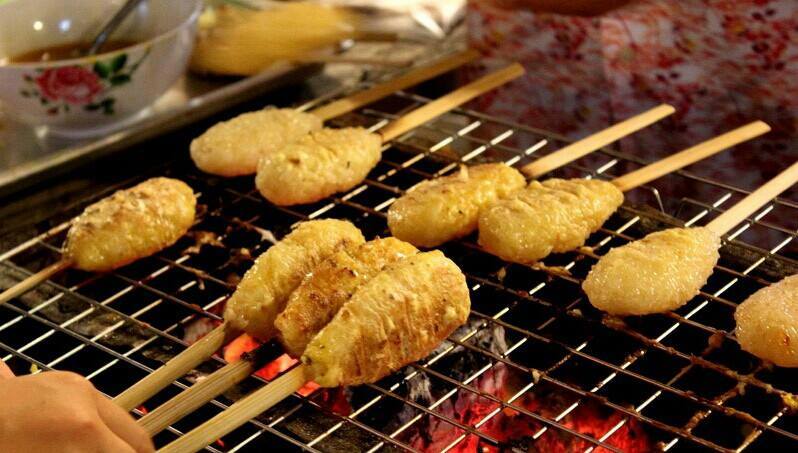
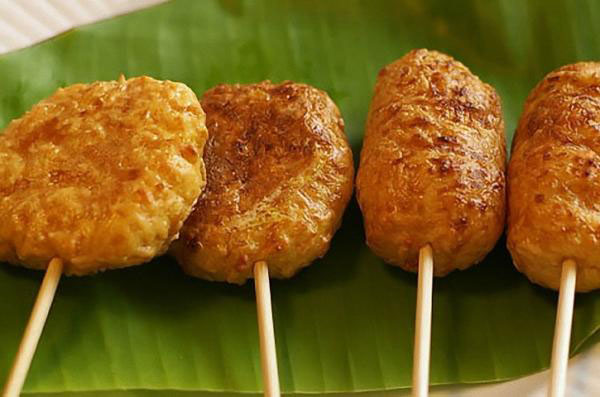
Rice Cake (Khao-Jie) comprises barbecue round sticky rice dipped in egg—absolutely delicious!
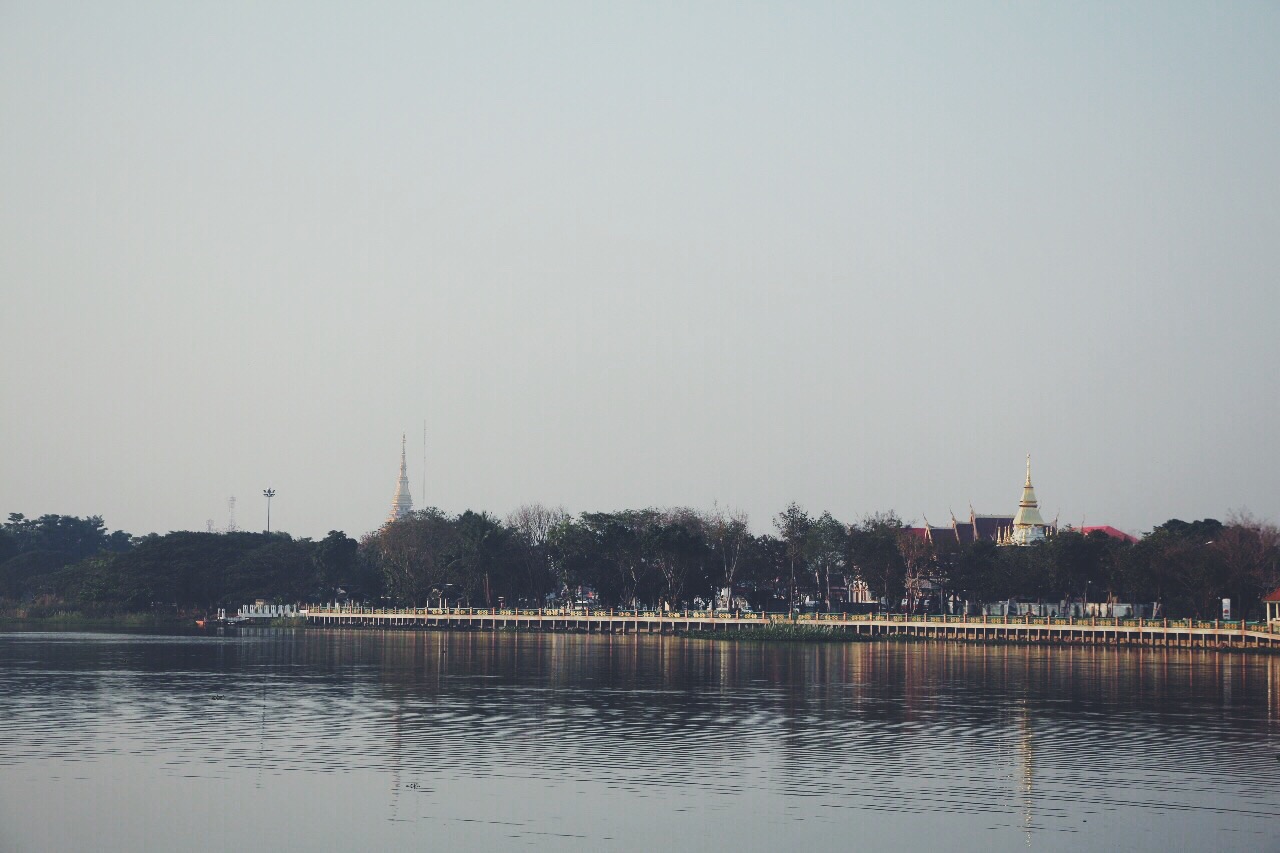
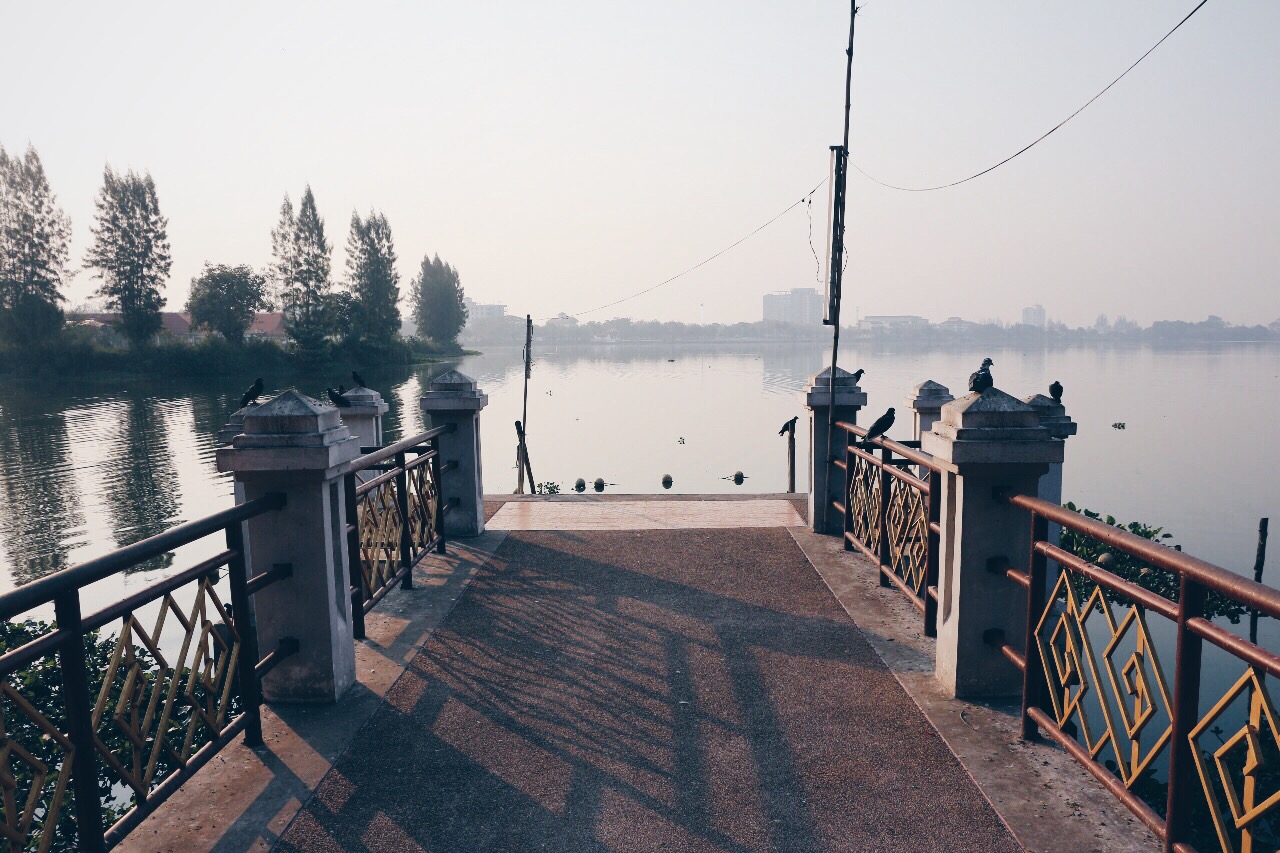
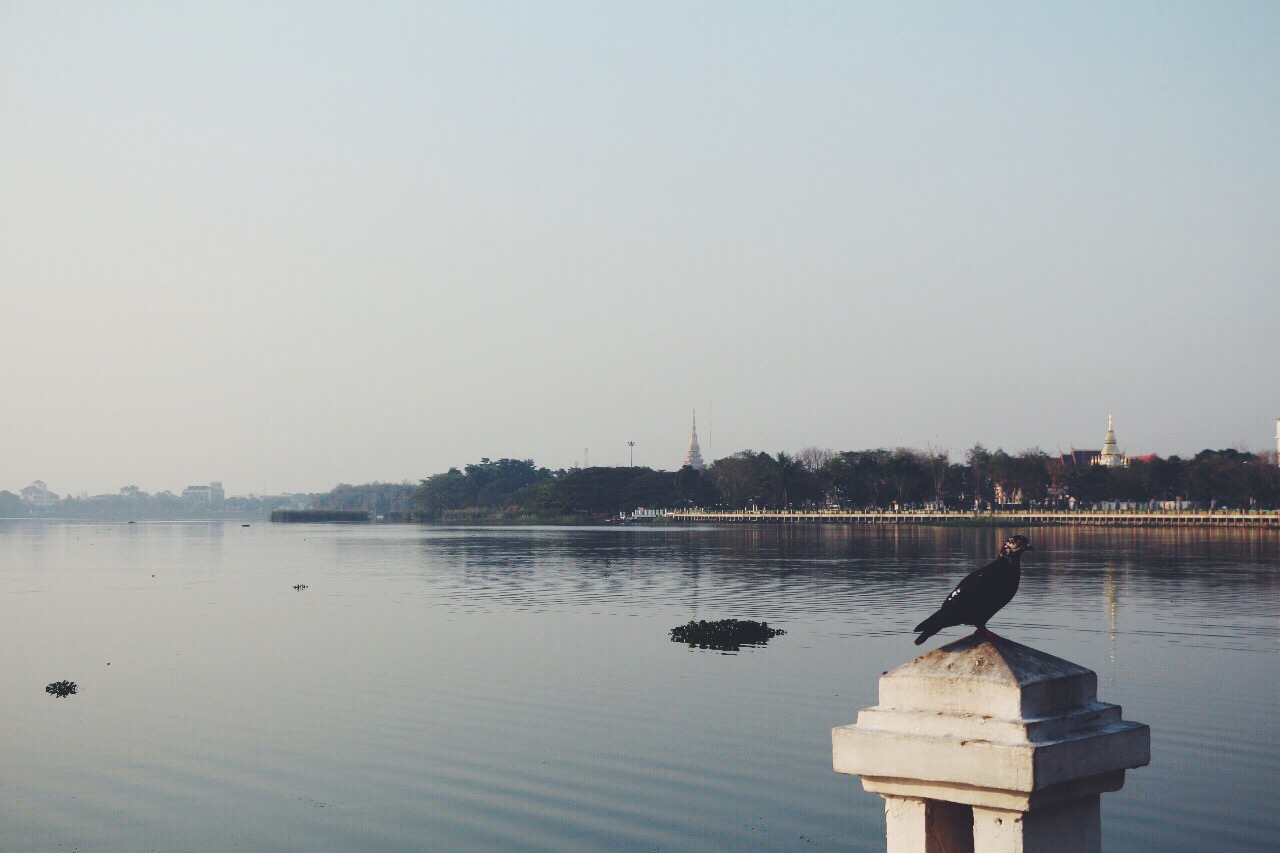
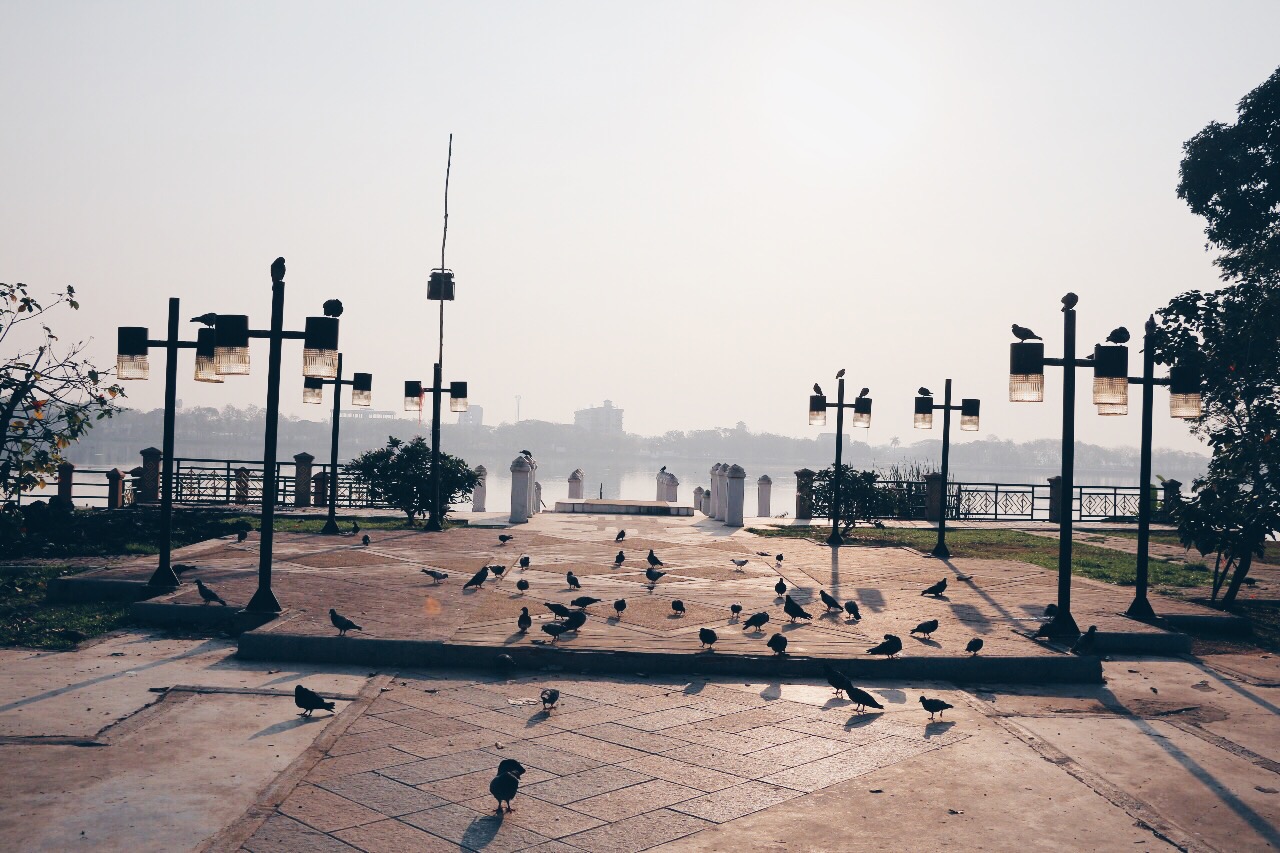
After dropping off my luggage at the hotel, I wasted no time exploring the city. I strolled to Kaen Nakon Marsh (บึงแก่นนคร), a tranquil and serene spot. The marsh was adorned with doves and elderly individuals frequented it for morning jogs. I paused to capture some photos and sat by the marsh, inhaling the fresh air before continuing my walk.
Just across the road stood Wat Nongwaeng, a serene temple. I was fortunate to visit during the perfect moment to capture stunning photos of the Pagoda. I was informed that this Pagoda dates back 100 years.
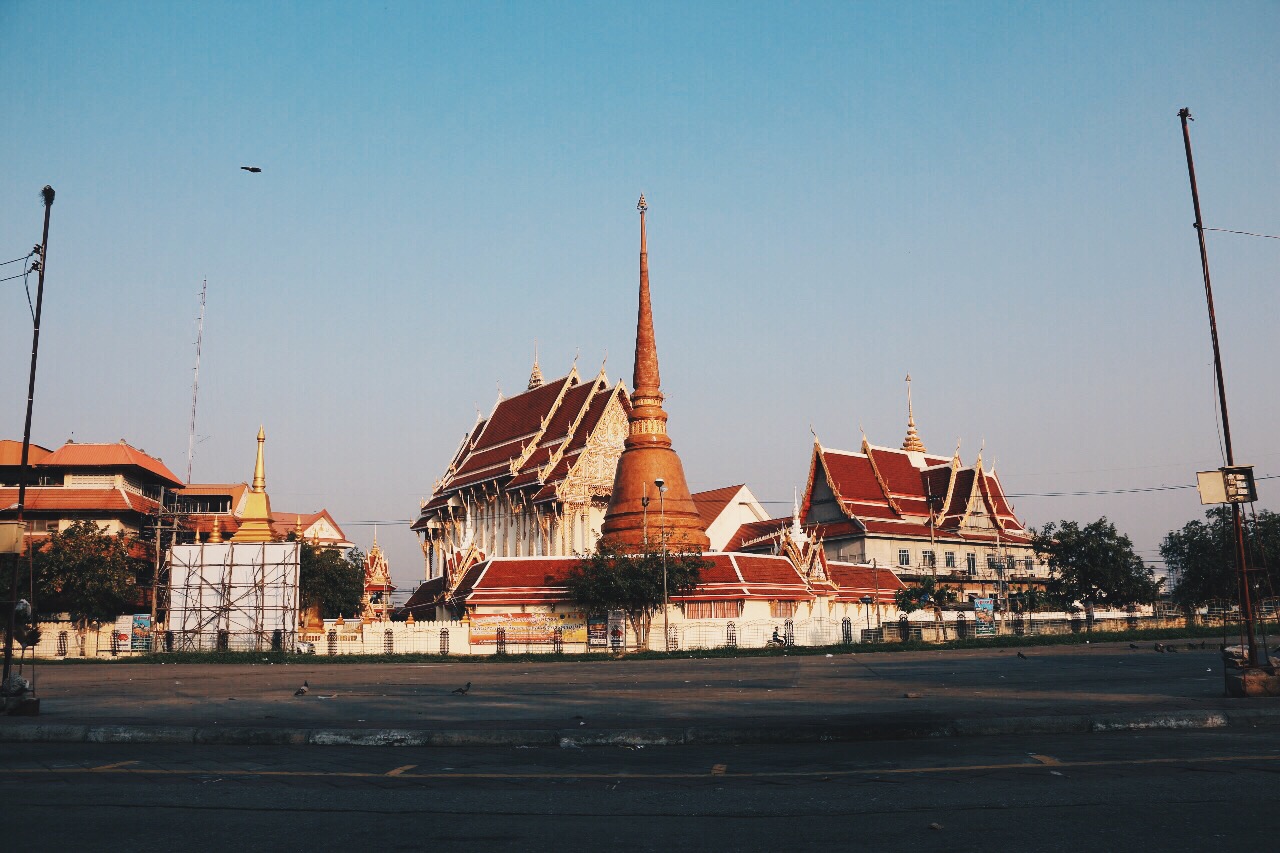
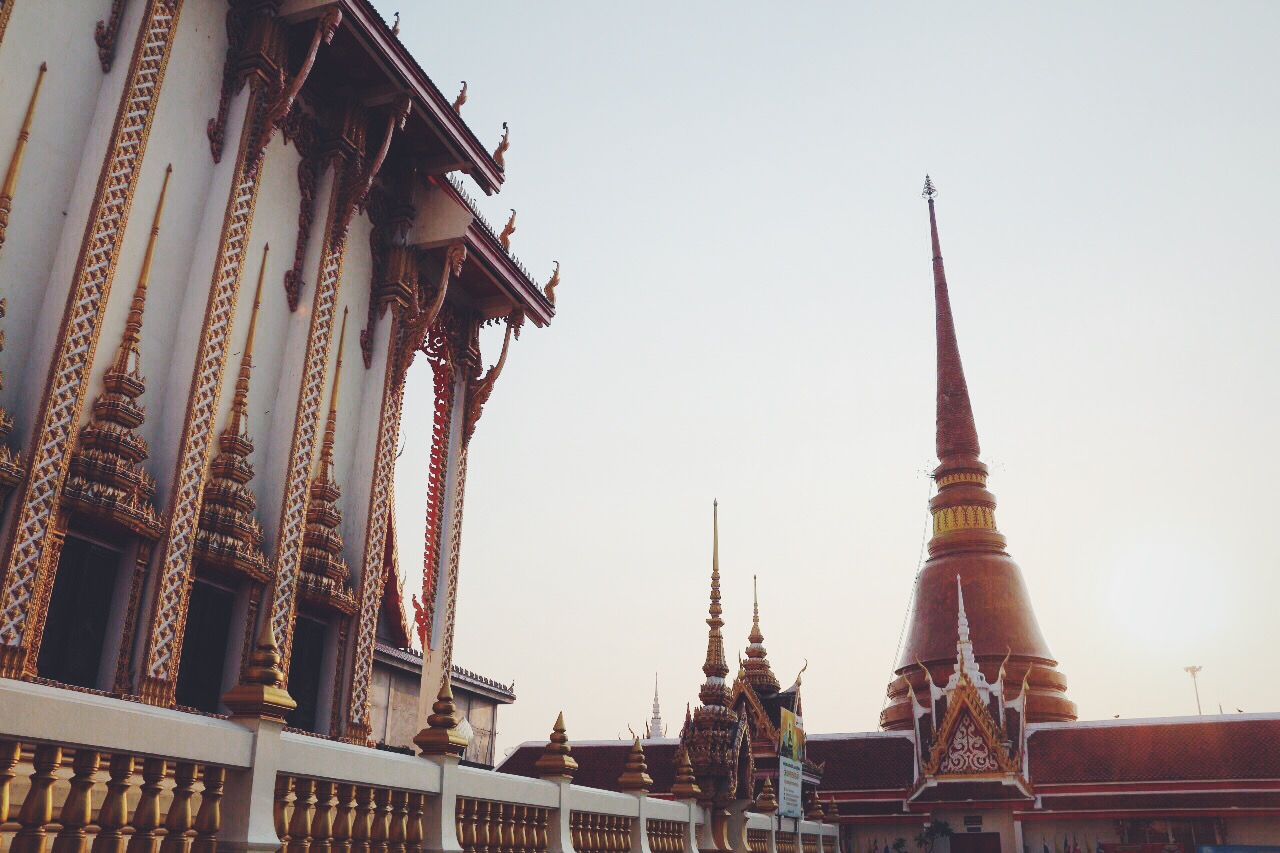
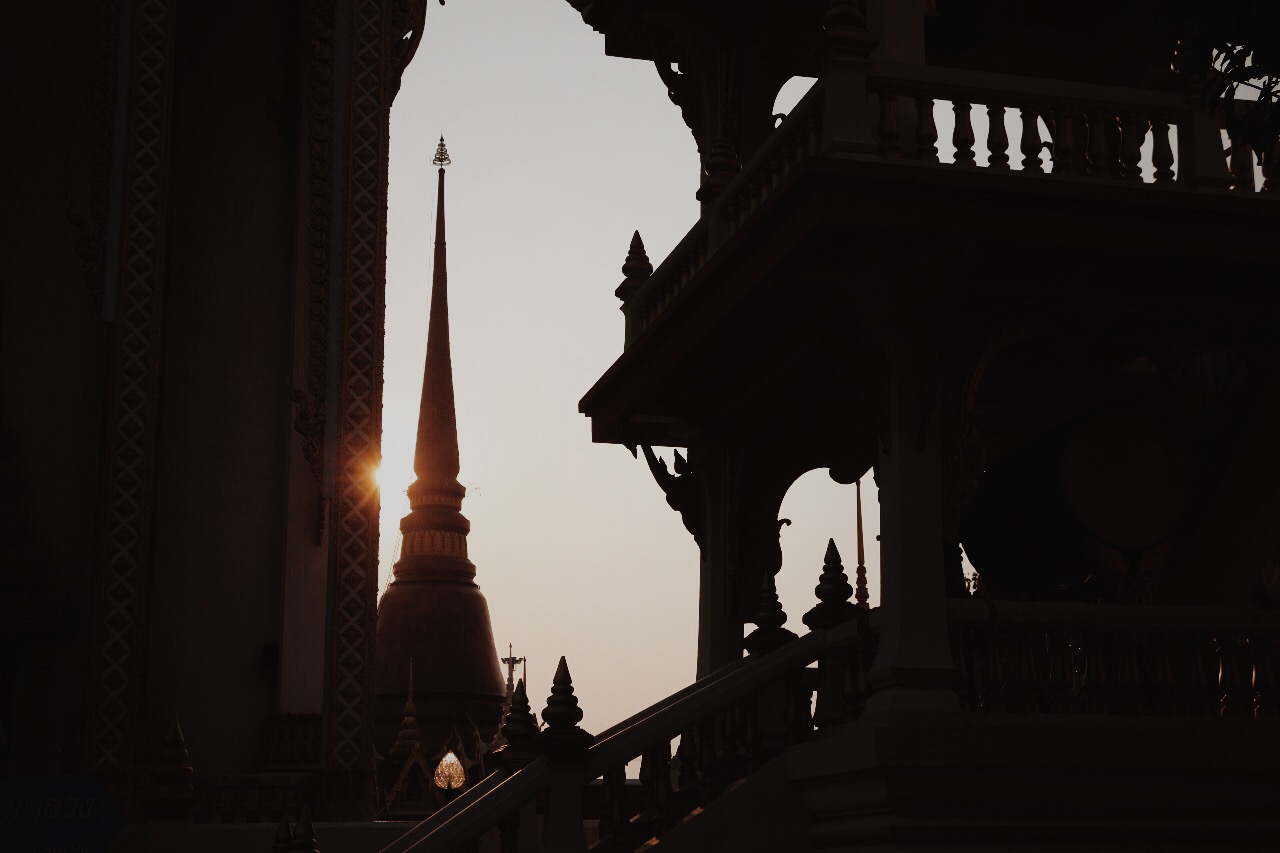
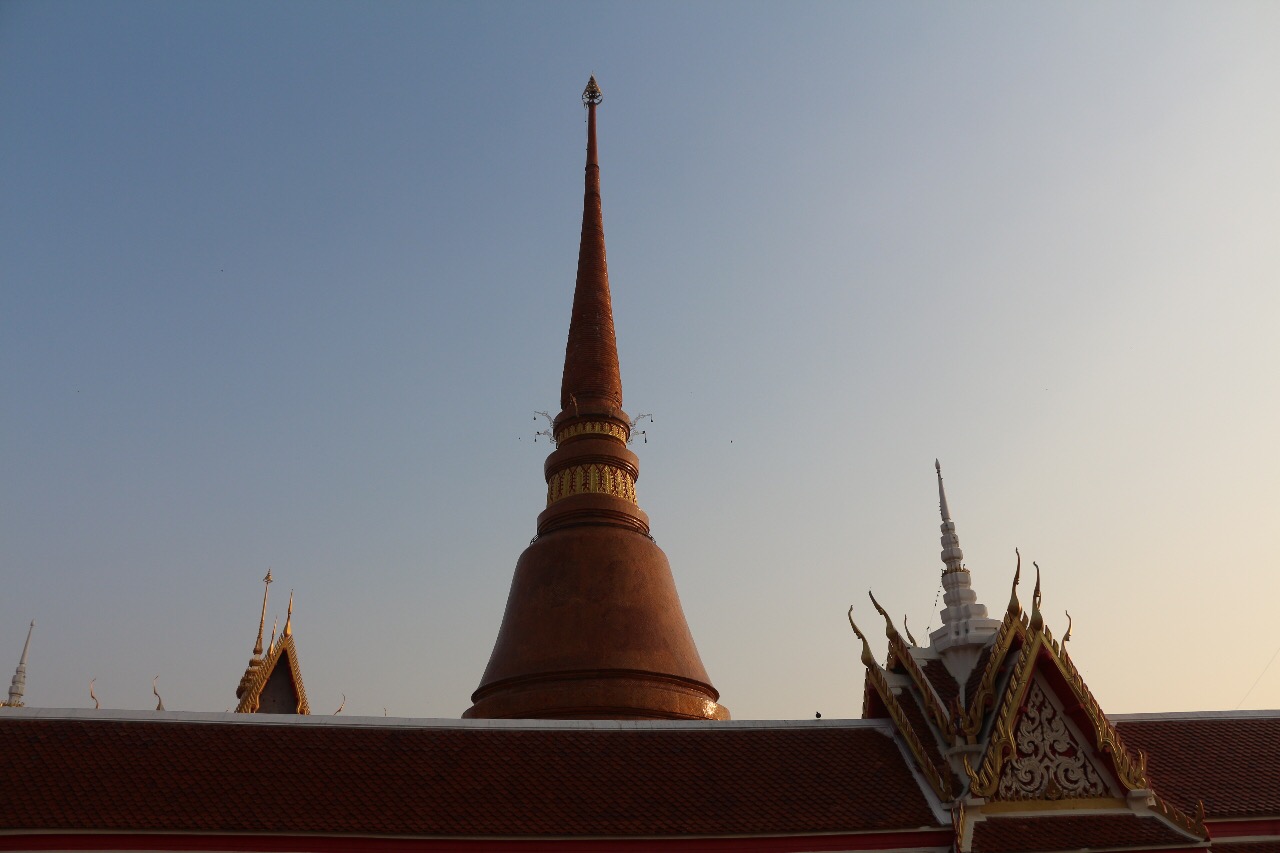
It’s perplexing why Wat Nongwaeng isn’t featured in Khon Kaen’s tourist guides—the architecture is captivating, and the location is ideal. This gem deserves recognition as one of Khon Kaen’s must-visit attractions!
A short walk from Wat Nongwaeng—about 10-15 minutes away—I stumbled upon Khon Kaen’s most famous temple, Phra Mahatat Kaen Nakon (Kaen Nakon Stupa).
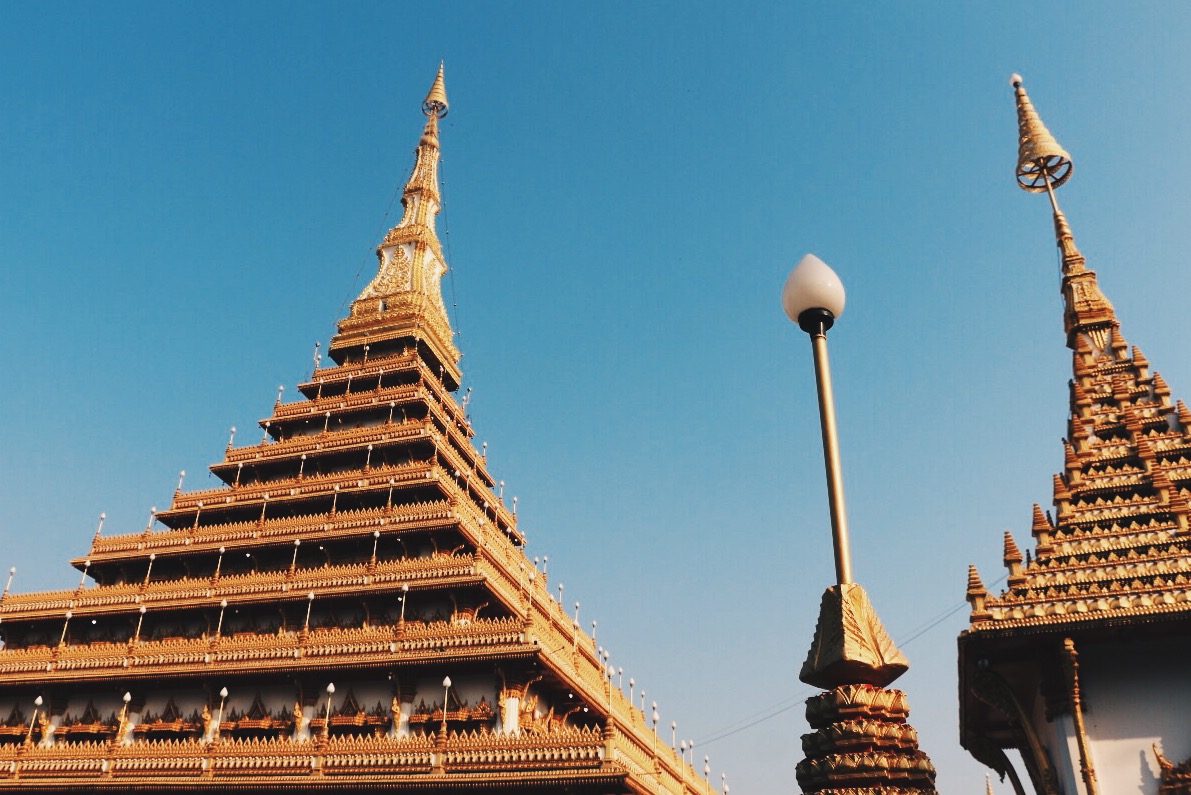

The nine-story structure houses:
- Crystal houses for relics of the Lord Buddha in the 1st story.
- The Isan Museum showcases ancient appliances rarely seen nowadays, in the 2nd story.
- The monk-learning hall, featuring beautifully carved doors and windows, is on the 3rd story.
- A museum on the 4th story, displaying ancient objects.
- A museum hall on the 5th story, showcasing utensils of a former abbacy.
- A preceptor hall on the 6th story, adorned with carved doors and windows.
- An enlightened Buddha’s disciples’ hall on the 7th story.
- A Buddha’s teaching hall on the 8th story, housing Tripitaka, the Buddhist Scriptures.
- A Buddha hall on the top floor, offers panoramic views of the town, especially Kaen Nakhon marsh.
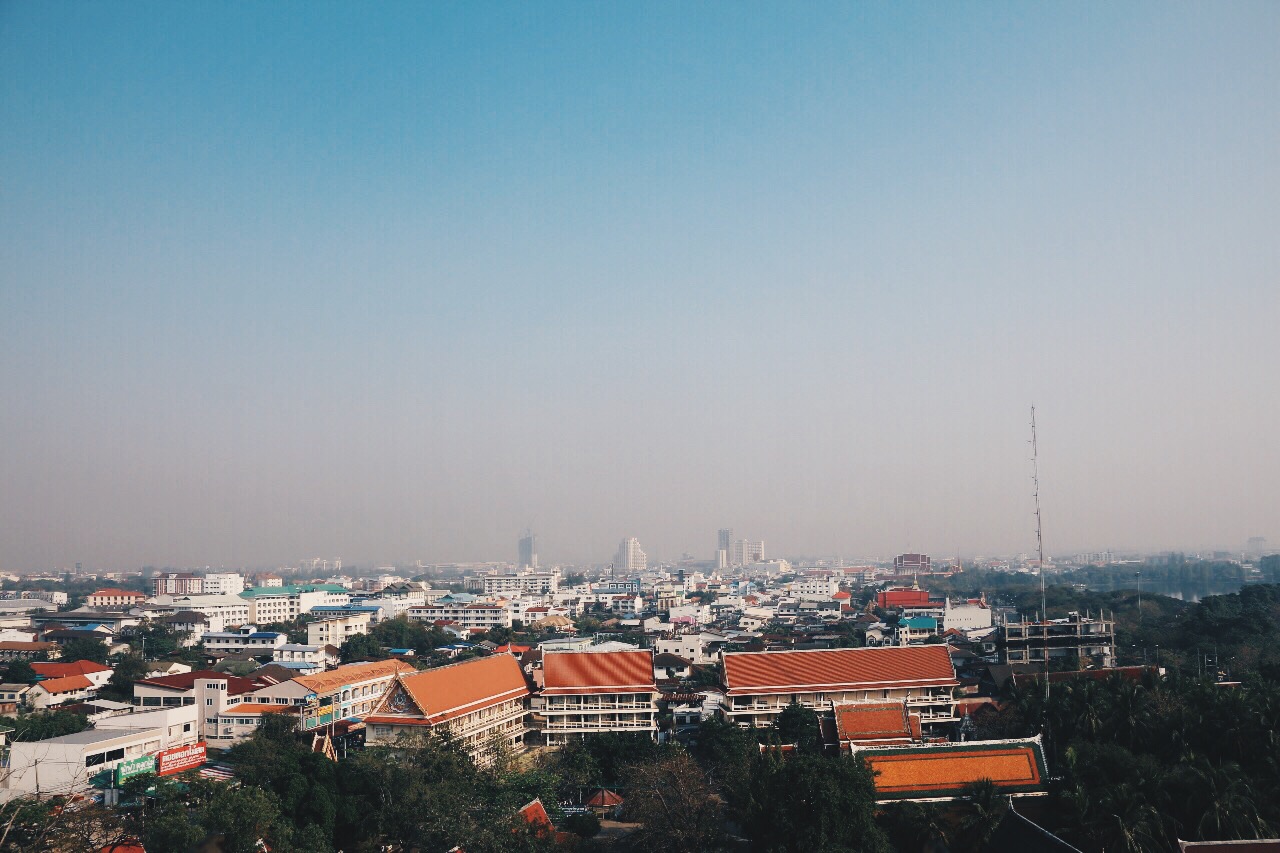

The temple provides a young guide who can give understandable explanations about the story of paintings, and exhibitions.
Hey, too much walk for today! I need to fill up my stomach with Isan foods as soon as possible. As my local friend recommended, I went to try Somtum (Papaya Salad) at Vanida Restaurant.
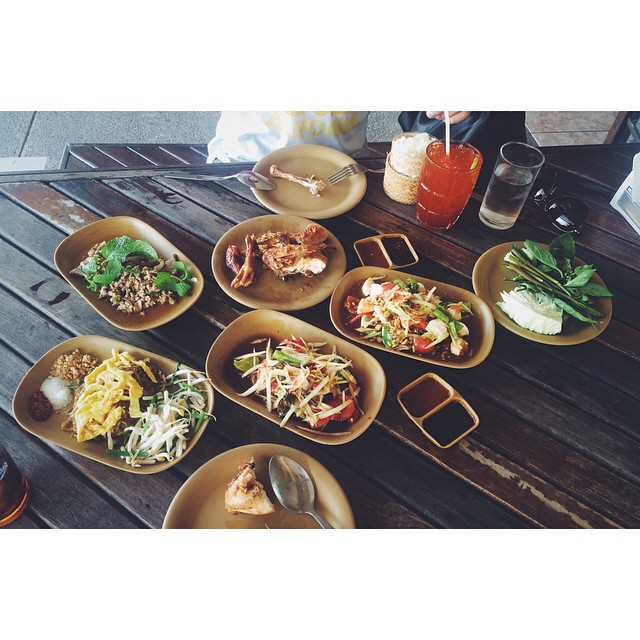
The food was exquisite, boasting the authentic flavors of Isan. I indulged in Somtum (Papaya Salad), Chicken Barbecue, Laab (Spicy Minced Meat Salad), and Pad-Mee (Fried Noodles)—all highly recommended!
Post-feast, I hailed a taxi to Cup D Coffee Shop. While the ambiance was cozy and ideal for chats or work sessions, the coffee quality was lacking.
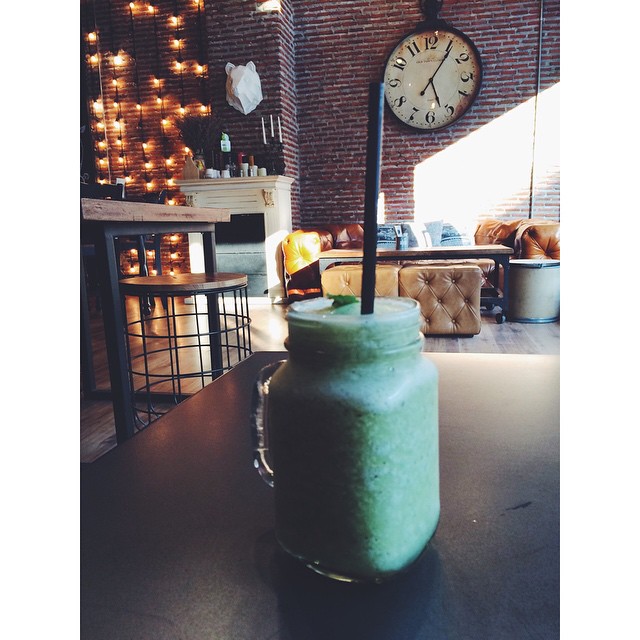
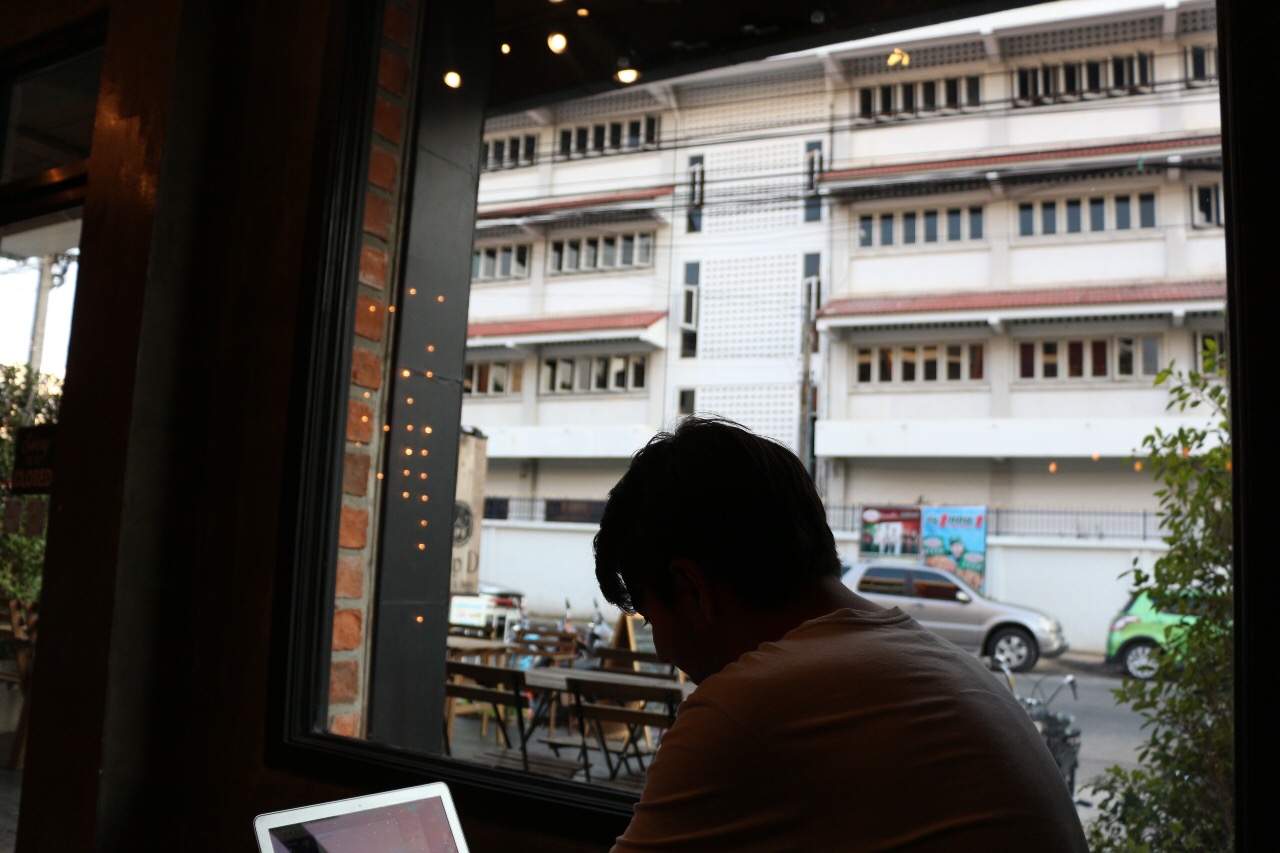
For exceptional coffee, I suggest Slove U Coffee Shop, also situated downtown. With its delightful taste and cozy ambiance, it feels like home. Most customers here are foreigners.


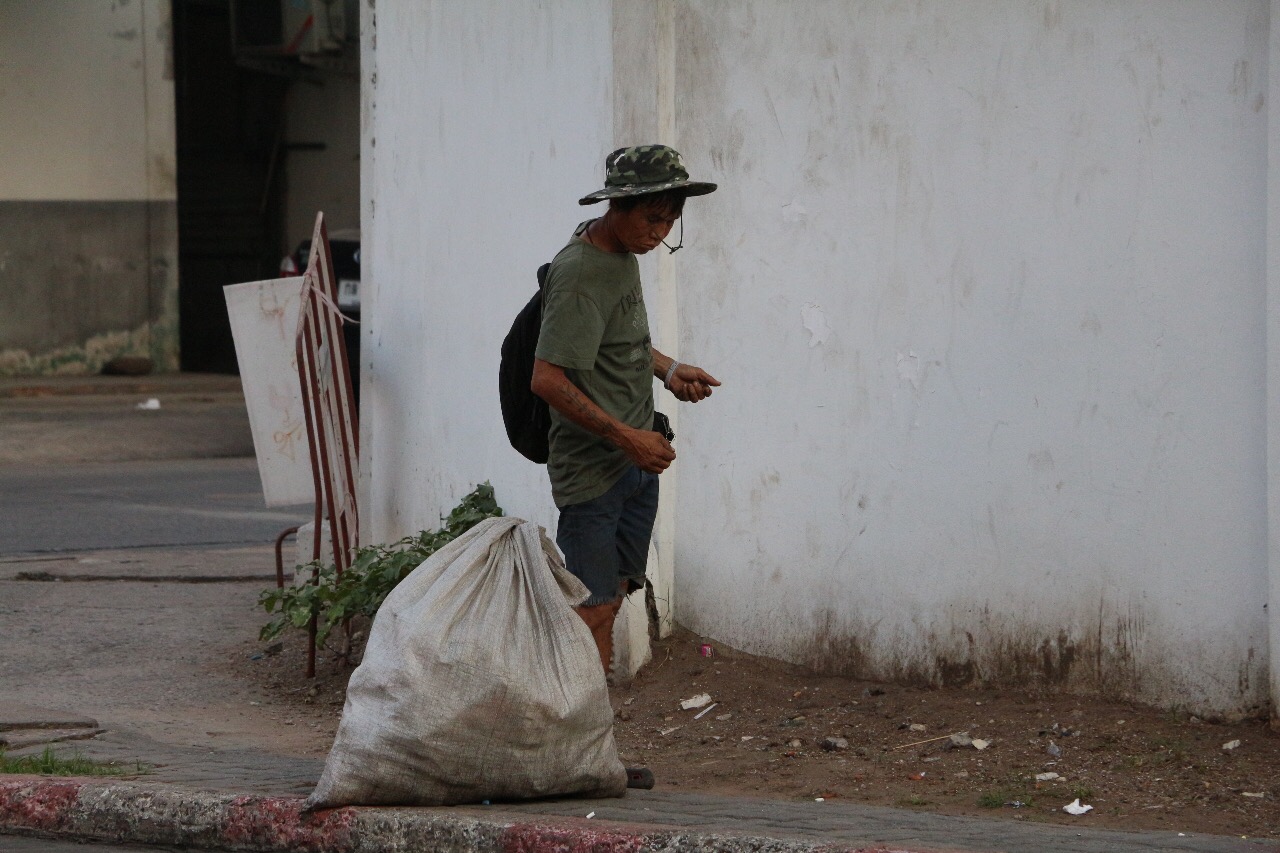
Beyond the scenic views and delectable cuisine, I’ve developed a profound appreciation for the local way of life in Khon Kaen. The people exude kindness and authenticity, regardless of their socioeconomic status. That’s something I truly admire!
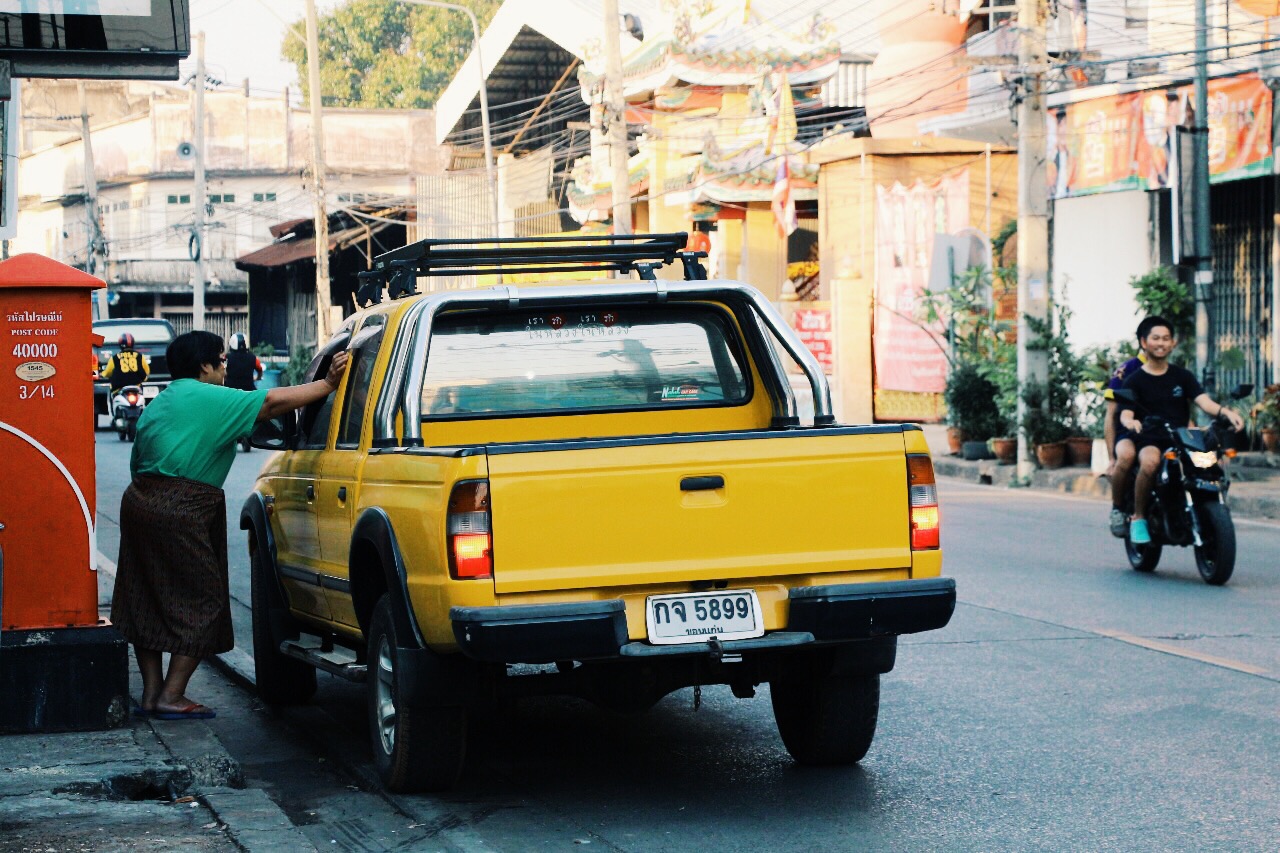
While my trip to Khon Kaen may not have been the best, it’s certainly unforgettable, and I may find myself returning one day. I encourage you to consider adding Khon Kaen to your travel itinerary—it’s an experience worth having!
🙂
 AMBER YOGA